Are K-Cups Bad for the Environment? Here's the Honest Answer
The convenience of pod coffee comes with a real environmental cost, but you have more options than you might think.
K-Cups are fast and easy, but a lot of people wonder what happens to all that plastic after the brew cycle ends. The honest answer is that single-use pods do generate significant waste, and most of them still end up in landfills. That said, the situation is not as black-and-white as it might seem, and there are practical steps you can take to reduce the impact without giving up your single-serve brewer.

What K-Cups Are Made Of
A standard K-Cup is made up of several parts: a plastic cup, a foil lid, a paper filter, and the coffee grounds inside. The plastic used is typically number 5 polypropylene, which is technically recyclable but is not accepted in all curbside programs. Because the pod combines multiple materials that need to be separated before recycling, most municipal recycling facilities simply toss them out. The result is that the vast majority of used K-Cups end up in landfills, where they persist for decades.
How Much Waste Do They Actually Generate?
The numbers are significant. Billions of single-use coffee pods are sold every year in the United States alone. If you drink two cups a day from a pod brewer, you could be discarding more than 700 pods per year per person. Multiply that across millions of households and the total waste adds up quickly. This scale is what makes pod coffee a genuine environmental concern, not just a minor inconvenience.
Are K-Cups Recyclable?
Keurig has pushed to make its pods more recyclable over the years, and many current K-Cups are labeled as recyclable. However, recyclable does not mean recycled. To recycle a K-Cup properly, you would need to peel back the foil lid, empty the grounds, and then place the cup in a recycling bin that accepts number 5 plastics. Very few people do all of those steps, and even when they do, not every local facility accepts that plastic type. Check your local recycling guidelines before assuming the pods are going anywhere but the trash.
The Easiest Fix: Switch to a Reusable Pod
A reusable K-Cup filter is a small mesh or plastic basket that fits in place of a single-use pod. You fill it with your own ground coffee, brew, and rinse it out. A single reusable filter can replace hundreds or thousands of disposable pods over its lifetime. The upfront cost is usually just a few dollars, and you often get better-tasting coffee because you can choose fresher, higher-quality grounds. Most Keurig brewers include a reusable filter or list a compatible one by model number.
Brewers That Accept Both Pods and Grounds
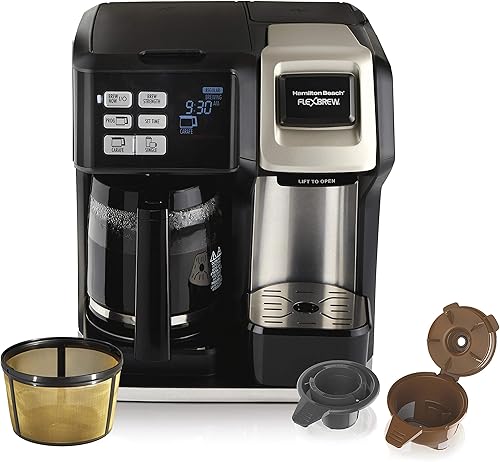
If you want to keep your options open, several single-serve brewers are designed to work with both K-Cups and loose grounds. The Hamilton Beach 49950C, for example, accepts K-Cup pods or ground coffee and comes with a reusable filter basket, giving you the flexibility to cut back on pods without being locked into one method. That kind of dual-input design is worth prioritizing if you are buying a new machine and care about reducing plastic waste.
Going Pod-Free Entirely
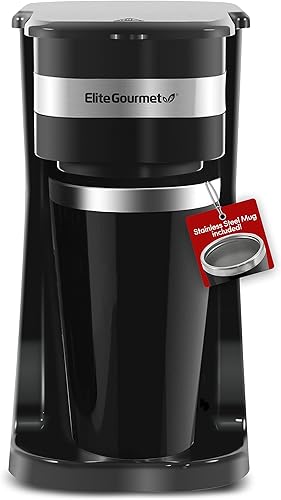
If you want to skip pods altogether, you do not need to abandon convenience. A simple single-serve drip brewer that uses paper or permanent filters and loose grounds can be just as fast once you get the routine down. The Elite Gourmet EHC114 is one example of a compact, no-frills single-serve brewer that runs on ground coffee and a paper filter, with no pods in the picture at all. For anyone who wants minimal waste and minimal hassle, that is a straightforward path.
Composting the Grounds Is Worth Mentioning
Even if you do use disposable pods, you can reduce some of the impact by composting the coffee grounds inside. Peel back the foil, scoop out the grounds into your compost bin, and then dispose of the plastic cup. Coffee grounds are a useful addition to home compost and can improve soil quality. It takes an extra thirty seconds, but it does keep the grounds out of the landfill and puts them to work.
Frequently asked questions
Are K-Cups worse for the environment than regular coffee makers?
Generally yes, in terms of packaging waste. Drip coffee makers that use a reusable or paper filter produce much less plastic waste per brew. The convenience of pods comes at a higher per-cup environmental cost.
Can I recycle K-Cups at home?
You can if your local program accepts number 5 plastics. You would need to peel the foil lid, empty the grounds, and rinse the cup before placing it in the bin. Check with your local recycling provider to confirm what they accept.
Do reusable K-Cup filters work as well as the real thing?
For most people, yes. The coffee quality depends more on the grounds you use than on the pod format. Using fresh, quality grounds in a reusable filter often produces better-tasting coffee than a pre-filled disposable pod.
Which Keurig models come with a reusable filter?
Many current Keurig models ship with a My K-Cup Universal Reusable Filter. Check the product listing or box contents for your specific model, or look up compatible reusable filters by model number on the Keurig website.
Is there a single-serve brewer that doesn't use pods at all?
Yes. Brewers like the Elite Gourmet EHC114 use loose ground coffee with a paper filter, with no pod compatibility. They are a simple, low-waste option for anyone who wants single-serve convenience without disposable pods.