How to Descale a Coffee Maker With Vinegar (Step-by-Step)
White vinegar cuts through mineral deposits fast and costs almost nothing, here's exactly how to do it.
If your coffee maker is taking longer to brew or your coffee has started tasting a little flat or off, mineral scale is likely the culprit. Hard water leaves calcium and magnesium deposits inside the water reservoir, heating element, and tubing over time, which slows water flow and affects brew temperature. The good news is that plain white vinegar dissolves those deposits effectively, and the whole process takes under an hour with zero special tools.
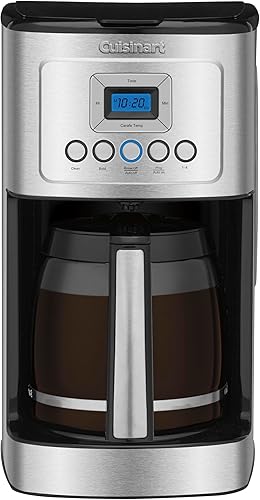
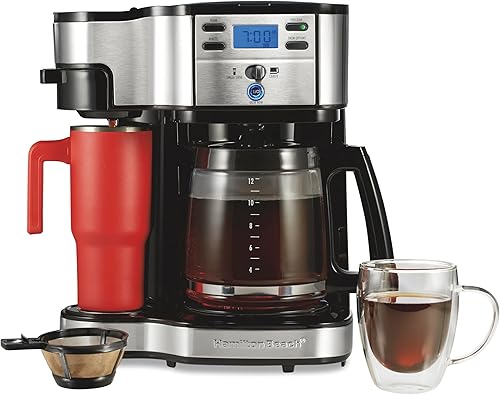

What Is Scale and Why Does It Matter?
Scale is the chalky white or gray residue that forms when hard water is repeatedly heated. It builds up on the heating element and inside the water lines, acting like insulation that makes your machine work harder to reach brewing temperature. When the water can't heat properly, your coffee ends up under-extracted and weak. Beyond flavor, heavy scale buildup can eventually shorten the life of the machine by causing the heating element to overheat or the pump to strain.
How Often Should You Descale?
A good rule of thumb is to descale every one to three months, depending on how hard your water is and how often you brew. If you use your machine daily and have hard tap water, monthly descaling keeps things running smoothly. If you use filtered or soft water, you can stretch it to every two or three months. Many machines have a descale indicator light that tells you when it's time, but if yours doesn't, mark it on a calendar so it doesn't slip.
What You'll Need
You only need a few things: plain white distilled vinegar (the standard grocery-store kind), fresh water, and your regular carafe or pot. Do not use apple cider vinegar or cleaning vinegar with added chemicals, plain white vinegar at around 5% acidity is the right choice. You'll also want to give yourself about 45 to 60 minutes total, most of which is hands-off wait time.
Step-by-Step Descaling Instructions
Start by emptying the water reservoir and removing any used coffee grounds or filter. Fill the reservoir with a 50/50 mix of white vinegar and water, for a 12-cup machine, that's roughly 6 cups of each. Place the carafe in position and run a full brew cycle without any coffee. Once the brew cycle finishes, leave the vinegar solution sitting in the carafe and let the machine rest for 30 minutes so the remaining vinegar in the lines has time to work on any stubborn deposits. After the rest, pour out the vinegar solution and run two full brew cycles with plain fresh water each time to rinse away any vinegar taste or smell. Your machine is now descaled and ready to brew.
Tips to Get the Best Results
If your machine has a severe buildup, meaning it's been more than six months since the last descale or you live in a very hard-water area, you can use a stronger ratio of two parts vinegar to one part water for the first cycle. Always rinse with at least two full reservoirs of fresh water after, otherwise the vinegar flavor can linger in your next few brews. If you notice a faint vinegar smell even after two rinse cycles, run a third. It's also smart to wipe down the carafe, lid, and filter basket with a damp cloth after the process.
Vinegar vs. Commercial Descaler: Which Is Better?
White vinegar works well for routine maintenance descaling and is hard to beat on price, a bottle costs about a dollar. Commercial descaling tablets or liquids (often sold by brands like Keurig, Cuisinart, or third-party makers) tend to be more aggressive on heavy mineral deposits and leave no taste residue, making them worth considering if you've let scale build up for a long time. For most people doing regular monthly or quarterly maintenance, though, white vinegar gets the job done cleanly and cheaply.
Keeping Scale From Building Up Fast
Using filtered water in your coffee maker is the single most effective way to slow scale buildup, since most of the minerals that cause deposits are removed by a basic pitcher filter or under-sink system. If you live in an area with very hard water, this change alone can cut your descaling frequency in half. Emptying the reservoir between uses also helps, since standing water deposits more minerals than water that flows through during a brew.
Frequently asked questions
Can I use apple cider vinegar to descale my coffee maker?
Stick with plain white distilled vinegar. Apple cider vinegar has a stronger flavor and natural sugars that can leave residue inside the machine. White vinegar at 5% acidity is the standard choice.
How much vinegar do I use to descale a coffee maker?
For most standard drip machines, a 50/50 mix of white vinegar and water works well, so about half a reservoir of vinegar and half water. For heavy buildup, you can go up to two parts vinegar to one part water.
Will vinegar damage my coffee maker?
No, when used as directed. White vinegar is mild enough to clean plastic, stainless steel, and rubber components safely. The key is to rinse thoroughly afterward so no vinegar residue stays in contact with components long-term.
My coffee still tastes like vinegar after rinsing. What do I do?
Run another full cycle with fresh water. Two rinse cycles are usually enough, but if the smell or taste persists, a third cycle clears it up. Make sure the carafe is also fully rinsed.
How do I know if my coffee maker needs descaling?
Common signs are a slower-than-usual brew cycle, coffee that comes out lukewarm instead of hot, or a flat or off flavor even when using fresh beans. Some machines have a descale indicator light that makes it obvious.