Coffee-to-Water Ratio Chart: How Much Coffee to Use for Every Brew Method
A simple, method-by-method reference so you never guess at your grounds again.
Getting the coffee-to-water ratio right is the single fastest way to improve your morning cup. Too little coffee and it tastes watery; too much and it turns bitter and harsh. The good news is the math is simple once you know the baseline numbers for your brew method. This chart covers the most common ways people make coffee at home, plus a few tips to dial things in to your personal taste.

The Golden Ratio: Where to Start
The Specialty Coffee Association recommends 1 to 2 tablespoons of ground coffee per 6 ounces of water, which works out to roughly 1:15 to 1:18 by weight (coffee to water). Most home brewers land right in the middle at 1:16 and are happy there. If you have a kitchen scale, use grams, it is far more consistent than scooping. If you do not have a scale yet, 1 heaping tablespoon per 6 oz of water is a reasonable starting point for drip machines.
Coffee-to-Water Ratio Chart by Brew Method
Here are the standard ratios for the most common methods. Drip coffee maker: 1:15 to 1:17 (about 1 tbsp per 6 oz). Pour-over: 1:15 to 1:16 for a clean, bright cup. French press: 1:12 to 1:15, slightly stronger to account for the full-immersion brew. Cold brew concentrate: 1:4 to 1:8, then dilute before drinking. Espresso: 1:2 (18 g coffee in, 36 g espresso out is a classic double shot). Moka pot: fill the basket level, no tamping, roughly 1:7 by weight. These are starting points, not rules; adjust by taste.
Weight vs. Volume: Why a Scale Matters
A tablespoon of finely ground coffee weighs more than a tablespoon of coarsely ground coffee, sometimes by 20 to 30 percent. That variance alone can throw off your ratio without you changing anything. Brewing by weight eliminates that variable entirely. A basic kitchen scale costs under $15 and pays for itself immediately in consistent cups. If you can only make one upgrade to your brewing routine, a scale is it.
How to Adjust for Strength
If your coffee tastes weak, move the ratio down, use more coffee relative to water. Try 1:15 instead of 1:17. If it tastes bitter or harsh, the ratio is not always the problem; grind size and water temperature matter too. But if you are confident those are set correctly, try pulling back to 1:17 or 1:18. Adjust in small steps, a gram or two at a time, so you can actually taste the difference and know where you landed.
Drip Coffee Maker Tips for Getting Ratios Right
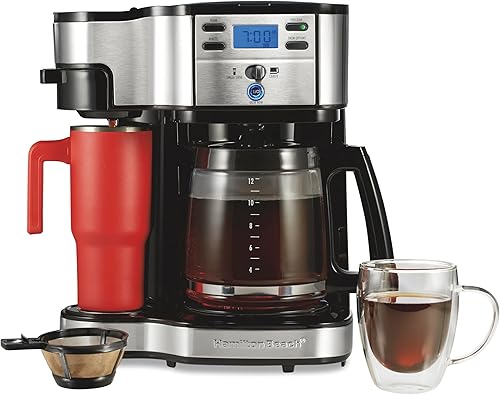
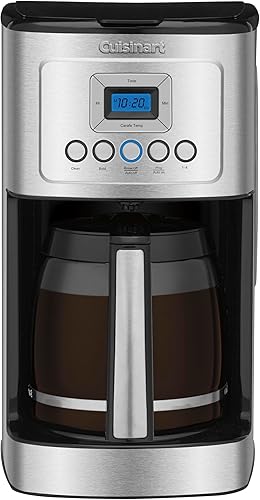
Most drip machines measure water in 5- or 6-ounce “cups,” not the 8-ounce cups you might be thinking of. Check your carafe markings before you calculate. A 12-cup drip maker at 6 oz per cup holds 72 oz total, use about 72 to 90 grams of ground coffee for a standard-strength pot. Programmable machines with a pre-infusion or bloom mode tend to extract more evenly, which means you can sometimes use a slightly lighter dose and still get good body. Keep the carafe and filter basket clean; old coffee oils can make a properly rationed brew taste off anyway.
Cold Brew Ratio: A Special Case
Cold brew is made as a concentrate, so the ratio looks extreme compared to hot methods. A common starting ratio is 1 cup of coarse ground coffee to 4 cups of cold water for a strong concentrate, or 1:8 for something you can drink straight. Steep in the fridge for 12 to 24 hours, then strain. Dilute the concentrate with water or milk before drinking, usually 1:1 or 1:2. Because there is no heat involved, the ratio and steep time are your only flavor levers.
Quick Conversion Reference
If measuring by tablespoon: 1 tbsp of ground coffee weighs about 5 to 7 grams depending on grind. For a standard 12-cup (72 oz / ~2 liters) drip pot at 1:16, you want roughly 125 ml or 4 oz of coffee by volume, which is about 10 to 12 tablespoons. For a single 12-oz mug via pour-over or drip, use roughly 20 to 22 grams of coffee (about 3 tablespoons). Write your preferred numbers on a sticky note and put it in your cabinet, muscle memory takes over fast.
Frequently asked questions
How many tablespoons of coffee per cup?
About 1 to 2 tablespoons per 6 ounces of water is the standard starting point for drip coffee. If your mug holds 12 oz, start with 2 to 3 tablespoons and adjust from there.
Is a 1:15 or 1:17 ratio better?
Neither is objectively better, it depends on your taste and the coffee you are using. Lighter roasts often taste better at 1:15 or 1:16, while darker roasts can be pleasant at 1:17. Start at 1:16 and move up or down based on what you prefer.
Does the ratio change with different roast levels?
It can. Lighter roasts tend to be denser and may need a slightly stronger ratio to pull out their flavor. Darker roasts are less dense and can taste harsh if you use too much. Treat roast level as one more reason to adjust by taste rather than sticking rigidly to one number.
What ratio do coffee shops use?
Most specialty coffee shops brew drip coffee at 1:15 to 1:17 and pull espresso shots at roughly 1:2. Diner-style drip coffee is often brewed much weaker, sometimes 1:20 or beyond, which is why it can taste thin.
Can I use the same ratio for a coffee maker and a pour-over?
Yes, as a starting point. Both methods work well around 1:15 to 1:16. The main difference is that pour-over gives you more manual control over flow rate and bloom time, which affects extraction even with the same ratio.