How Much Caffeine Is in a Cup of Coffee?
The answer depends on your brew method, coffee type, and how you measure a scoop.
If you've ever wondered why one cup wakes you up and another barely makes a dent, caffeine content is usually the culprit. A standard 8-oz cup of drip coffee contains roughly 80 to 100 milligrams of caffeine, but that number can swing quite a bit depending on how you brew. Brew method, roast level, grind size, and even water temperature all play a role. This guide breaks it down so you know what you're actually drinking.
Average Caffeine by Brew Method
Different brewing methods extract caffeine at different rates, so the same beans can produce very different results. A standard 8-oz drip coffee typically delivers 80 to 100 mg of caffeine. A single shot of espresso (about 1 oz) runs around 60 to 75 mg, which sounds lower, but you're drinking far less liquid. Cold brew is often the strongest option per fluid ounce because of its long steep time, with an 8-oz serving coming in anywhere from 100 to 200 mg depending on the concentrate-to-water ratio. French press and pour-over fall in the same general range as drip, usually 80 to 120 mg per 8 oz. Instant coffee tends to sit on the lower end, around 60 to 80 mg per cup.
Does Roast Level Affect Caffeine?
This is one of the most common coffee myths: that dark roast has more caffeine than light roast. In reality, the difference is small, and it depends on how you measure. By weight, light roast has slightly more caffeine per gram because the beans are denser. By volume (a typical scoop), dark roast can edge ahead because the beans are larger and lighter, meaning you get fewer dense beans per scoop. For practical home brewing purposes, roast level has a negligible effect on your cup's caffeine. The bigger variables are how much coffee you use and how long it brews.
How Grind and Water Temperature Play a Role
Caffeine is water-soluble, so anything that increases extraction will pull more of it into your cup. A finer grind creates more surface area, which means faster and more thorough extraction. Water temperature also matters: hotter water extracts caffeine and other compounds more efficiently. Most drip coffee makers heat water to between 195 and 205 degrees Fahrenheit, which is the sweet spot for full extraction. If your machine brews at a lower temperature, you may be leaving caffeine (and flavor) in the grounds.
Coffee-to-Water Ratio and Caffeine
The simplest way to control how much caffeine ends up in your cup is to adjust how much coffee you use. A standard ratio is about 1 to 2 tablespoons of ground coffee per 6 oz of water, but many people brew stronger than that. Using more grounds directly increases the caffeine in the finished cup. If you want a rough rule of thumb, adding one extra tablespoon of grounds to a 12-cup pot will noticeably bump the caffeine level. Conversely, stretching your brew with more water dilutes it without changing the total caffeine extracted.
Specialty Drinks: Lattes, Americanos, and Cold Brew Concentrate
When you order a latte or cappuccino at a coffee shop, the caffeine comes from the espresso shots, not the milk. A single-shot drink has roughly 60 to 75 mg; a double shot pushes that to 120 to 150 mg. An Americano, which is espresso diluted with hot water, has the same caffeine as the shots used to make it. Cold brew concentrate is worth watching closely: when sold ready-to-drink, it's usually diluted to normal strength, but if you make your own and drink it undiluted, you can easily exceed 200 mg per cup.
Daily Caffeine Limits to Keep in Mind
The FDA considers up to 400 mg of caffeine per day to be generally safe for healthy adults, which works out to roughly four 8-oz cups of standard drip coffee. Pregnant women and people with certain heart conditions are typically advised to stay well under that, so it's worth knowing where your preferred brew falls. Keep in mind that caffeine also shows up in tea, soda, energy drinks, and some medications, so your actual daily intake may be higher than you think if you drink multiple beverages.
Choosing a Coffee Maker That Brews at the Right Temperature
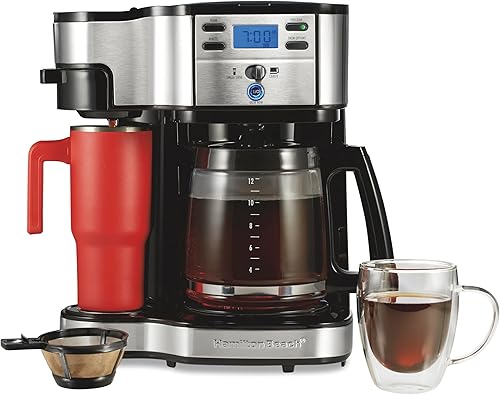
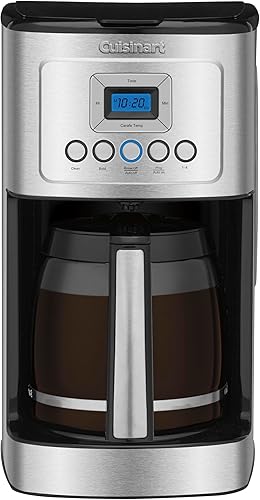
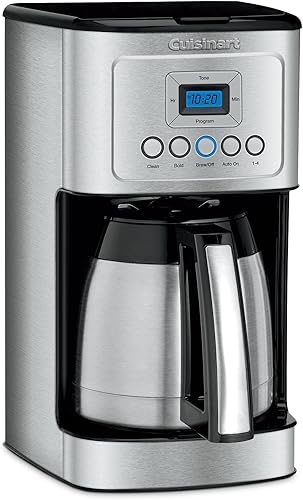
If you want consistent caffeine extraction, a coffee maker that reliably hits 195 to 205 degrees Fahrenheit matters more than people expect. Machines like the Hamilton Beach 49980R and the Cuisinart DCC-3200 are popular drip brewers with large owner bases, and both are designed for automatic ground-coffee brewing. For households that want programmable features with a 12-cup capacity, the Cuisinart DCC-3400NAS is another solid option. Any well-built drip machine will extract caffeine more reliably than an older or poorly calibrated one.
Frequently asked questions
Does dark roast coffee have more caffeine than light roast?
Not meaningfully. By weight, light roast has slightly more caffeine because the beans are denser. By volume (a scoop), dark roast may edge ahead since its beans are larger and lighter. For most home brewing, the difference is too small to matter.
Which brewing method produces the most caffeine per cup?
Cold brew concentrate is typically the highest, often delivering 100 to 200 mg per 8 oz depending on how it's made. Standard drip and pour-over fall in the 80 to 100 mg range per cup.
How can I reduce the caffeine in my coffee without switching beans?
Use less grounds per cup, brew for a shorter time, or dilute your finished coffee with hot water. Switching to a coarser grind will also reduce extraction slightly.
Is the caffeine in one espresso shot lower than in a cup of drip coffee?
Per fluid ounce, espresso is much more concentrated. But a single shot is only about 1 oz with roughly 60 to 75 mg of caffeine, while an 8-oz drip cup has 80 to 100 mg total. So a full drip cup usually has more caffeine than a single shot.
Does brewing temperature affect caffeine levels in the cup?
Yes. Hotter water extracts caffeine more efficiently. Coffee makers that brew at 195 to 205 degrees Fahrenheit will generally extract more caffeine than machines that brew at lower temperatures.