How to Clean an Electric Kettle the Right Way
A quick routine clean and an occasional descale are all it takes to keep your electric kettle tasting fresh and heating water properly.
If your kettle has been sitting on the counter for a few months without a proper clean, you are not alone. Most people never think about it until they spot white flakes floating in their mug or notice the kettle is taking longer to boil than it used to. The good news is that cleaning an electric kettle takes maybe ten minutes and requires nothing fancier than white vinegar, water, and a soft cloth. A little regular attention goes a long way toward better-tasting tea and coffee.


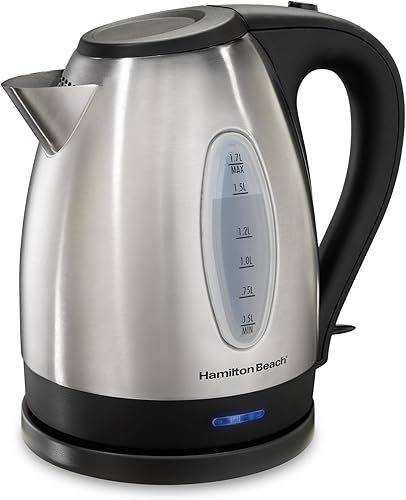
What You Will Need
Before you start, gather a few basics: white distilled vinegar (or citric acid powder), water, a soft microfiber cloth or sponge, and a small brush if you want to scrub around the filter screen. You do not need any special kettle-cleaning products, though citric acid is a slightly gentler option if you prefer it over vinegar. Never use bleach, abrasive scrubbers, or steel wool inside a kettle, especially on glass or stainless steel interiors, since those can leave residue or cause scratches that harbor bacteria.
How to Clean the Inside of an Electric Kettle
Fill the kettle halfway with equal parts white vinegar and cold water. Bring the mixture to a boil, then turn the kettle off and let the solution sit for 20 to 30 minutes so it can loosen mineral deposits. Dump out the liquid, then fill the kettle with fresh cold water and boil it once to rinse away any vinegar taste. Repeat the plain-water rinse a second time if you can still detect a vinegar smell. For glass kettles, you can swish the solution gently while it soaks to reach more of the interior surface.
How to Clean the Filter
Most electric kettles have a small mesh filter at the spout that catches scale flakes before they pour into your cup. Remove it if it detaches (check your manual), then rinse it under warm running water. Use a soft toothbrush or small cleaning brush to dislodge any stubborn white buildup. If the filter is especially gunked up, soak it in a cup of diluted white vinegar for 10 to 15 minutes before brushing. Replace the filter before you rinse the kettle so the rinse water passes through it as well.
Cleaning the Outside of the Kettle
Wipe down the exterior with a damp microfiber cloth. For stainless steel models, wipe in the direction of the grain to avoid leaving streaks. A tiny drop of dish soap on the cloth handles grease or fingerprints, but wring the cloth out well so no water drips into the base or around the power connector. Dry the outside right away rather than letting it air dry to keep water spots from forming on polished or brushed finishes.
How Often Should You Clean Your Kettle?
A quick wipe of the exterior every week or two takes about 30 seconds and keeps the kettle looking tidy. A full interior descale is worth doing every four to eight weeks if you have moderately hard tap water, and every two to three months if your water is naturally soft. Hard-water households may notice white or gray scale appearing faster, so let that be your guide. A visual check of the inside before each use takes only a second and tells you whether a descale is overdue.
Signs Your Kettle Needs Cleaning Now
The most obvious sign is visible white or gray deposits coating the interior walls or the heating element. You might also notice white flakes in your freshly boiled water, a slightly metallic or stale taste in your tea or coffee, or the kettle taking noticeably longer to reach a boil. Any one of those is a clear signal to run a vinegar descale before your next brew. Catching buildup early means a shorter soak time and less scrubbing.
What to Avoid When Cleaning
Never submerge an electric kettle in water or hold it under a running tap. The electrical base and heating element are not waterproof, and getting them wet can damage the appliance or create a shock hazard. Do not put any part of the kettle (other than a removable filter) in the dishwasher unless the manufacturer specifically says it is dishwasher safe. Avoid harsh chemical cleaners inside the kettle entirely since they are difficult to rinse away completely and can affect the taste of your water.
Frequently asked questions
Can I use lemon juice instead of white vinegar?
Yes. Fresh lemon juice or bottled lemon juice diluted with an equal part of water works as a descaling solution because of its citric acid content. It may leave a faint lemon scent that fades after a plain-water rinse. Citric acid powder dissolved in water is another popular alternative and tends to be odorless.
Is it safe to boil vinegar in an electric kettle?
It is safe for the kettle itself. However, the steam from boiling vinegar smells quite strong. Do this in a well-ventilated area or leave a window open. You do not have to boil the solution all the way to a rolling boil. Bringing it to a boil and then letting it sit is sufficient.
Why does my water still taste off after cleaning?
The most common cause is vinegar residue that was not fully rinsed out. Run two or three plain-water boil-and-dump cycles, and the taste should clear. If the off-taste persists after multiple rinses, it may be related to your tap water itself rather than the kettle.
Can I use baking soda to clean my kettle?
Baking soda can help with odors but it is not an effective descaler because it is alkaline rather than acidic. Mineral scale is alkaline itself, so you need an acid (vinegar, lemon juice, or citric acid) to dissolve it. Baking soda is fine for a quick interior freshening rinse if your main concern is taste rather than mineral buildup.
How do I clean a glass electric kettle without scratching it?
Use only soft cloths or sponges on the glass. A vinegar soak does all the heavy lifting on the interior, so there is no need to scrub. For the outside, a damp microfiber cloth is gentle enough to clean without leaving marks. Avoid anything abrasive, including rough sponge sides and baking soda pastes.