How to Make Better Coffee at Home
Small adjustments to your beans, water, and machine can transform an ordinary cup into something you actually look forward to.
Most people brewing coffee at home are one or two small tweaks away from a noticeably better cup. The fixes are rarely expensive and almost never require a new machine. This guide covers the variables that matter most and gives you a straightforward order to tackle them so you see results quickly.
Start With Fresh, Whole-Bean Coffee
Pre-ground coffee loses most of its aroma within 15 to 30 minutes of grinding, so stale grounds are the single biggest drag on cup quality. Whole beans stay fresh much longer when stored properly. Buy in small quantities you can finish within two to three weeks and keep the bag sealed in a cool, dark spot. You do not need an expensive grinder to see a difference; even a basic burr grinder beats pre-ground coffee bought weeks ago.
Grind Right Before You Brew
Grinding fresh is the fastest upgrade most home brewers can make. A burr grinder produces a more consistent particle size than a blade chopper, which gives you more even extraction. For a standard drip machine, aim for a medium grind that feels like coarse sand. If your coffee tastes weak, grind a little finer; if it tastes harsh or bitter, go slightly coarser. Adjust in small steps and brew a pot before changing anything else.
Use the Right Coffee-to-Water Ratio
A good starting point for drip brewing is about 1 to 2 tablespoons of ground coffee per 6 ounces of water, or roughly 1 gram of coffee per 15 to 17 grams of water if you own a kitchen scale. Most home brewers use too little coffee, which leads to over-extraction and bitterness. Measure your coffee rather than eyeballing it, at least until you dial in a ratio you like. From there you can adjust up or down to taste.
Pay Attention to Water Quality
Coffee is about 98 percent water, so water that smells of chlorine or tastes off will show up in the cup. Filtered tap water is usually all you need. Avoid distilled or softened water, since both lack the mineral content that helps extract flavor from the grounds. If your tap water tastes fine on its own, it will work well for coffee.
Brew at the Right Temperature
The ideal brewing temperature is between 195 and 205 degrees Fahrenheit, which is just below a full boil. Most decent drip coffee makers hit this range automatically. If you are pouring boiling water by hand over grounds, let it rest off the heat for 30 to 45 seconds before you start. Water that is too cool under-extracts and produces flat, sour coffee; water that is too hot can scorch the grounds and turn the cup harsh.
Keep Your Machine Clean
Mineral deposits and old coffee oils build up inside brewers over time and make even good coffee taste stale or metallic. Run a descaling cycle every one to three months depending on your water hardness, and rinse the carafe, filter basket, and lid after every use. A clean machine heats more evenly and brews closer to the target temperature, which matters more than most people realize.
Choose a Machine That Actually Hits Brewing Temperature
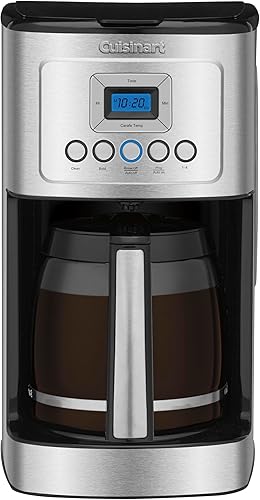
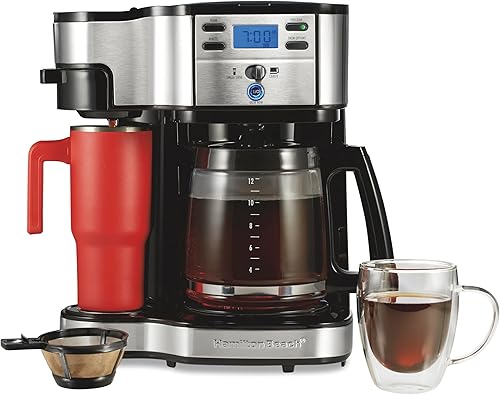
A good drip coffee maker does not need to be expensive, but it does need to reach proper brewing temperature and distribute water evenly over the grounds. Machines like the Cuisinart DCC-3200 and Hamilton Beach 49980R are popular partly because they hit those basics reliably at an affordable price. If your current machine produces lukewarm coffee no matter what you do, the brewer itself may be the limiting factor.
Frequently asked questions
What is the easiest way to make home coffee taste better immediately?
Grind fresh beans right before brewing instead of using pre-ground coffee. That single change has a bigger impact on flavor than almost anything else.
Does the quality of the coffee maker matter that much?
A decent drip machine that reaches proper brewing temperature matters more than price. High-end extras like timers and warmers are nice, but temperature consistency and even water distribution are what actually affect the cup.
How often should I clean my coffee maker?
Rinse removable parts like the carafe and filter basket after every use. Run a full descaling cycle every one to three months, or more often if you have hard water.
Can I use tap water to brew coffee?
Yes, as long as it tastes good on its own. If your tap water has a noticeable chlorine smell, run it through a basic pitcher filter first. Avoid distilled or heavily softened water.
Why does my coffee taste bitter even with fresh beans?
Bitterness usually comes from over-extraction, which can mean the grind is too fine, the water is too hot, or the brew time is too long. Try grinding slightly coarser as a first step, and make sure your machine is clean.