How to Store Coffee Beans So They Stay Fresh
The right storage setup makes a real difference between a vibrant cup and a flat, stale one.
Coffee beans are at their best in the first few weeks after roasting, and how you store them has a direct effect on what ends up in your cup. Oxygen, moisture, heat, and light are the four things that degrade coffee fastest, so good storage is really just about keeping those away. The good news is that storing beans well does not require any special equipment, a few simple habits go a long way.

Why Freshness Matters More Than You Think
Roasted coffee beans contain volatile aromatic compounds that give coffee its flavor and aroma. Once those compounds escape or oxidize, you are left with a dull, flat brew no matter how good your coffee maker is. Most specialty roasters consider beans at peak flavor for about two to four weeks after the roast date. After that, the flavor does not disappear overnight, but it gradually loses complexity. Buying smaller amounts more frequently is one of the most effective freshness strategies there is.
The Best Container for Coffee Beans
An airtight, opaque container is the gold standard for storing whole beans at home. Ceramic, stainless steel, or dark glass canisters with a tight-sealing lid all work well. Clear containers let light in, which speeds up staling, so those are best avoided unless you keep them in a dark cupboard. Some dedicated coffee canisters include a one-way valve, which lets CO2 from freshly roasted beans escape without letting oxygen back in, a nice feature but not strictly necessary for most home use. Whatever you choose, make sure it seals firmly and is clean and dry before filling it.
Where to Keep Your Beans
A cool, dark cupboard away from your stove or any heat source is the ideal spot. Room temperature is fine as long as it stays consistent and the area is not exposed to direct sunlight. Many people instinctively put beans on the counter near the coffee maker, which is actually one of the worst spots because of the heat the machine produces. A pantry shelf, a kitchen cabinet away from the oven, or any other spot that stays cool and dark will do much better.
Should You Refrigerate or Freeze Coffee Beans?
The refrigerator is generally not recommended for coffee beans. The fridge is humid, and beans are porous, they absorb moisture and odors easily, which can ruin the flavor. The freezer is a different story and can work, but only if you do it right. If you have a large batch that you will not get through within a few weeks, you can freeze a portion in an airtight bag or container. The key is to freeze in single-use portions so you never thaw and refreeze the same beans, since repeated temperature changes cause condensation and damage the beans quickly. Once you take a portion out of the freezer, let it come to room temperature before opening the bag, then use those beans within a week or two.
What to Avoid
A few common habits do more harm than good. Storing beans in the bag they came in, unless it has a resealable one-way valve, lets too much air contact the coffee. Keeping beans near the stove, oven, or a sunny window exposes them to heat and light. Buying more than you can use in two to three weeks means you will likely be brewing stale coffee by the end of the bag. And grinding all your beans at once dramatically speeds up flavor loss, since ground coffee goes stale much faster than whole beans.
Whole Beans vs. Pre-Ground: What to Buy
Whole beans hold their freshness significantly longer than pre-ground coffee. Once you grind beans, the surface area exposed to air multiplies and staling accelerates, pre-ground coffee can go noticeably flat within days of opening. If you have a grinder, buying whole beans and grinding just before brewing is one of the best things you can do for cup quality. If you do buy pre-ground, look for packaging with a one-way valve and try to use the bag within a week or two of opening.
Matching Your Storage Habit to Your Coffee Maker
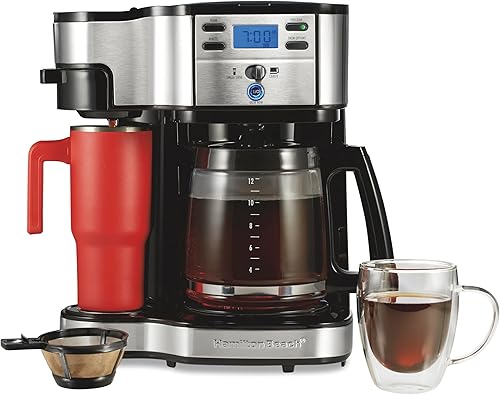
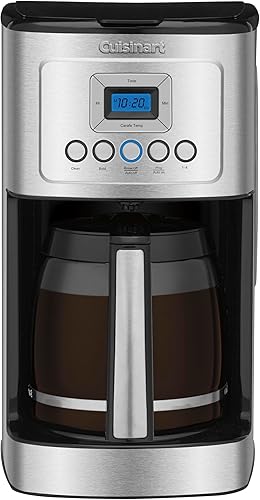
How you store beans should match how you brew. If you use a drip coffee maker that grinds beans on a schedule, make sure you are only loading as many beans as you will use in a week or so. If you brew one or two cups at a time, even a small airtight canister holding a week's worth of beans is all you need. The goal in every case is to keep the beans you are actively using well-sealed, cool, and dark, and to buy fresh often rather than in bulk.
Frequently asked questions
How long do coffee beans stay fresh?
Whole beans are generally at peak flavor for two to four weeks after the roast date. They remain drinkable for a couple of months, but the flavor gradually flattens after that first month.
Can I store coffee beans in the bag they came in?
Only if the bag has a resealable closure and a one-way valve. Standard foil bags that roll shut are not airtight enough for extended storage, transfer the beans to a proper airtight container.
Is it okay to freeze coffee beans?
Yes, but only in single-use portions sealed in an airtight bag or container. Never thaw and refreeze, and let frozen beans come fully to room temperature before opening the package to avoid condensation.
Does ground coffee go stale faster than whole beans?
Yes, significantly faster. Ground coffee has far more surface area exposed to air and can go noticeably flat within a few days of grinding. Whole beans held in a sealed container stay fresh much longer.
Where is the worst place to store coffee beans?
On the counter near your stove or coffee maker. Heat is one of the biggest enemies of fresh coffee, and those spots tend to get warm. A cool, dark cupboard is a much better choice.