How to Use Reusable K-Cups: A Simple Step-by-Step Guide
Switching to a reusable K-Cup takes about two minutes to learn and can cut your per-cup cost significantly.
Reusable K-Cups are refillable filter baskets that fit into most Keurig and K-Cup-compatible brewers in place of a standard pod. They let you use any ground coffee you like, which opens up a lot more flavor options and typically costs a fraction of what pre-filled pods run. The process is straightforward, but a few small details, grind size, fill level, and rinsing, make the difference between a great cup and a weak or messy one.


What Is a Reusable K-Cup?
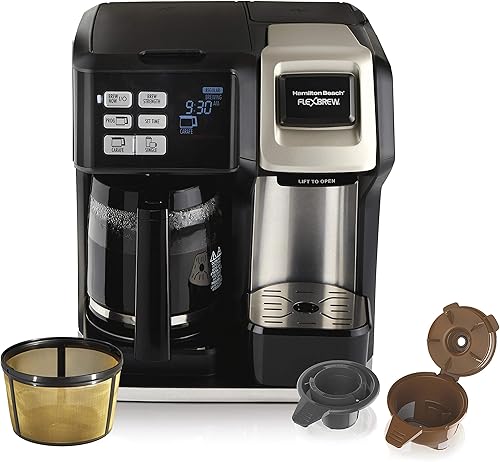
A reusable K-Cup is a small plastic or stainless-steel basket with a built-in mesh filter. You fill it with your own ground coffee, close the lid, drop it into the brewer's pod holder, and brew exactly as you would with a disposable pod. After brewing, you open it up, knock out the grounds, and rinse it clean. Most are sold separately as accessories, but several single-serve brewers, including models from Keurig and Hamilton Beach, come with one included in the box. Check your brewer's specs or manual to confirm compatibility before buying a third-party version.
What You Need Before You Start
You need a reusable K-Cup filter that fits your brewer, pre-ground coffee or a grinder, and a mug. That's it. If you're grinding your own beans, aim for a medium grind, roughly the texture of coarse sand. A grind that is too fine will slow water flow and produce a bitter, over-extracted brew, while a grind that is too coarse will produce watery coffee. Most standard grocery-store ground coffees (labeled 'drip' or 'automatic drip') work well right out of the bag.
Step-by-Step: Filling and Brewing
First, open the reusable K-Cup lid and add ground coffee. Fill to just below the max-fill line, usually about one heaping tablespoon, or roughly 10 grams. Do not pack the grounds down; keep them loose so water can flow through evenly. Close and latch the lid, then place the filled basket into your brewer's pod holder the same way you would a regular K-Cup. Select your brew size. For the best flavor, choose the smallest size your brewer offers, 6 or 8 oz, since reusable baskets hold a fixed amount of coffee and larger brew sizes dilute the result. Press brew and let the machine do the rest.
Adjusting Strength and Flavor
The two easiest ways to adjust strength are brew size and coffee type. A smaller brew size concentrates flavor; a larger one lightens it. If your coffee tastes weak, try dropping from 10 oz to 8 oz before adding more grounds, because overfilling the basket can restrict water flow and actually make things worse. If it still tastes thin, switch to a darker roast or a coffee labeled 'bold.' If it tastes bitter, try a lighter roast or a slightly coarser grind. Keep adjustments one variable at a time so you know what actually changed the flavor.
Cleaning the Reusable K-Cup
After each use, let the basket cool for a moment, then pop off the lid and tap the grounds into the trash or compost. Rinse under warm running water to flush out any remaining grounds, then set it aside to air dry. Once a week or so, give it a more thorough wash with a drop of dish soap and a soft brush to clear any oils that build up in the mesh. Avoid abrasive scrubbers that can damage the filter mesh. Most reusable K-Cups are not dishwasher safe, so check the manufacturer's guidance for your specific basket.
Common Mistakes to Avoid
Overfilling is the most common problem, grounds expand slightly when they get wet, so leaving space below the rim matters. Using a grind that is too fine is the second most frequent issue; it leads to grounds washing through the mesh and into your cup or causing the brewer to slow down and produce a bitter shot. Finally, skipping the rinse after brewing allows coffee oils to go rancid in the mesh, which adds an off-flavor to your next cup. A quick rinse after each use takes ten seconds and keeps the filter performing well.
Is It Worth Switching?
Pre-filled K-Cups typically cost between 50 cents and $1.50 each depending on the brand. A bag of ground coffee brewed through a reusable filter can bring that down to 15 to 30 cents per cup using the same volume of coffee. Over a year of daily brewing, that adds up to a real difference. Beyond the cost angle, using your own coffee gives you control over roast level, origin, and freshness that pod selections rarely match. If you already own a compatible brewer, a reusable basket usually costs under $15 and pays for itself within a couple of weeks.
Frequently asked questions
Do reusable K-Cups work in all Keurig models?
Most standard Keurig models accept universal reusable K-Cups, but some older models or specialized machines use a slightly different pod holder. Check the product listing for your brewer model or look in your owner's manual to confirm before buying.
How much coffee do I put in a reusable K-Cup?
About one heaping tablespoon, or roughly 8 to 10 grams of ground coffee. Fill to just below the max-fill line and keep the grounds loose rather than packed down.
Why does my coffee taste weak with a reusable K-Cup?
The most common reasons are using too large a brew size or a grind that is too coarse. Try brewing at 6 or 8 oz and make sure your grind is closer to medium rather than coarse. You can also try a darker roast coffee.
Can I use espresso grind in a reusable K-Cup?
It is not recommended. Very fine grinds restrict water flow through the mesh filter, which can produce an over-extracted, bitter result and may also push grounds into your cup. Stick to a medium drip grind.
How often should I replace my reusable K-Cup?
With proper rinsing and occasional soap washing, a good-quality reusable basket lasts a year or longer. Replace it if you notice the mesh is torn or distorted, or if you're getting grounds in your cup despite using the correct grind size.