Paper vs Metal Pour-Over Filter: What's the Difference?
The filter you choose changes the body, clarity, and even the health profile of your pour-over coffee.
When you set up a pour-over, the filter is easy to overlook, but it shapes the cup more than most people expect. Paper and metal filters pull flavor in two different directions: one toward a clean, crisp brew and the other toward a fuller, richer one. Neither is objectively better. The right choice comes down to the cup you want, how much ongoing cost you accept, and how much cleanup you are willing to do.


How Each Filter Works
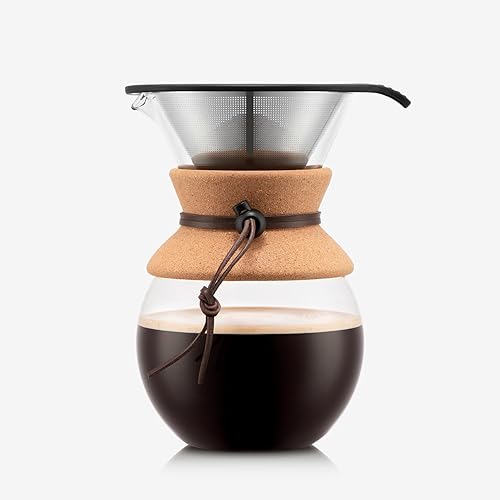
A paper filter is a dense, disposable barrier that traps coffee oils and nearly all the fine particles, called fines, that come off your grounds. A metal filter is usually a fine mesh or perforated stainless steel screen with openings large enough to let oils and a small amount of sediment pass through. That single difference, what gets held back versus what gets through, is the root of almost every distinction between the two. Everything from taste to mouthfeel to cleanup traces back to it.
Taste and Body
Paper filters produce a cleaner, brighter, more tea-like cup. By trapping oils and fines, they highlight the delicate, aromatic, and acidic notes in a coffee, which is why many light-roast fans prefer paper. Metal filters let the natural coffee oils through, so the result has more body, a heavier mouthfeel, and a richer, rounder flavor. A metal-filtered cup can also carry a faint amount of sediment at the bottom. If you like a crisp, clear coffee, paper wins; if you like a fuller, more robust cup, metal is the way to go.
Cost and Waste
Paper filters are an ongoing expense and a small piece of daily waste, though the used filter and grounds are typically compostable together. Over a year of daily brewing, the cost of paper is modest but real. A metal filter is a one-time purchase that lasts for years with proper care, which makes it cheaper over the long run and reduces single-use waste. The trade-off is convenience: you compost or toss a paper filter in seconds, while a metal filter has to be cleaned after every brew to keep it from clogging and going stale.
Cleanup and Maintenance
Cleanup is where paper clearly pulls ahead. After brewing, you lift the paper filter out with the spent grounds and discard the whole thing, then give the dripper a quick rinse. A metal filter requires you to knock out the grounds and rinse the mesh thoroughly every time, and over weeks the tiny openings can trap oils and fines that need occasional deeper cleaning to clear. If a metal filter is not cleaned well, old oils can go rancid and add an off taste. Paper is the lower-effort, lower-thought option day to day.
The Health Angle: Cafestol and Oils
Coffee oils carry compounds called diterpenes, including cafestol, which have been linked in studies to modestly raised LDL cholesterol when consumed in large amounts over time. Paper filters trap most of these oils, while metal filters let them through, so paper-filtered coffee contains less cafestol. For most people drinking a normal amount of coffee, the practical difference is small, but if you drink a lot of coffee and watch your cholesterol, a paper filter is the more cautious choice. This is worth knowing, though for most drinkers taste and convenience matter more in day-to-day brewing.
Which Should You Choose?
Go with paper if you want a clean, bright cup, easy cleanup, and the lowest cafestol content; a paper-filter dripper like the Hario V60-02W (around $29, rated 4.8 stars) or the Chemex CM-6A (about $48), whose thick proprietary paper makes an especially clear brew, is a natural fit. Choose metal if you want more body, richer flavor, and a reusable filter you buy once. The Bodum 11571-109US (around $20) uses a permanent stainless mesh filter that lets oils through for a fuller cup with no paper to restock. Many people keep both on hand and switch depending on the coffee and their mood.
Frequently asked questions
Does a paper or metal filter make better coffee?
Neither is better; they make different coffee. Paper gives a cleaner, brighter cup, while metal gives a fuller, richer one with more body. The best filter is the one that matches the flavor and mouthfeel you prefer.
Can I reuse a paper coffee filter?
You can reuse a paper filter once or twice in a pinch if you rinse it, but it is not designed for it. The paper weakens when wet and can tear, and trapped oils start to taste stale. If reusability matters to you, a metal filter is the better long-term option.
Why does metal-filtered coffee have sediment?
Metal mesh has slightly larger openings than paper, so a small amount of very fine coffee particles passes through and settles at the bottom of the cup. Using a slightly coarser, more consistent grind reduces the sediment if it bothers you.
Is metal-filtered coffee bad for cholesterol?
Metal-filtered coffee contains more cafestol, an oil compound linked to modestly higher LDL cholesterol in heavy, long-term coffee drinkers. For most people drinking a normal amount, the effect is small. If you drink a lot of coffee and watch your cholesterol, paper is the more cautious pick.