Paper vs Permanent Coffee Filter: Which One Should You Use?
Your filter choice quietly shapes every cup you make, here's what each type does and who it's really for.
Most people grab whatever filter came with their coffee maker and never think about it again. But the filter you use has a real effect on your coffee's flavor, clarity, and how much sediment ends up in your mug. Paper and permanent (also called reusable or mesh) filters each have genuine strengths, and neither is universally better. This guide breaks down the differences so you can make a choice that fits your taste and your routine.

How Each Filter Type Works
A paper filter is a single-use sheet, usually bleached white or natural brown, that sits in your brew basket. It traps fine coffee particles and oils as the water passes through, then gets thrown away after each brew. A permanent filter is typically made from stainless steel mesh or nylon and lives in your machine long-term. Water still flows through, but the much larger holes in the mesh let more material pass into the cup. The difference in pore size is the root cause of almost every taste and texture variation between the two.
Taste and Cup Quality
Paper filters produce a noticeably cleaner, brighter cup. The dense fiber catches coffee oils (called diterpenes) and nearly all fine particles, which gives the coffee a lighter body and lets delicate, fruity, or floral flavors come through more clearly. Permanent filters let those oils flow straight into your mug, which adds richness and body, the cup tastes bolder and a bit heavier. There will also be a small amount of sediment at the bottom of your cup, similar to what you'd see with French press. Neither is wrong; it comes down to whether you prefer a clean, crisp brew or a fuller, more robust one.
Cost Over Time
Paper filters are inexpensive individually, a box of 100 to 200 filters typically costs a few dollars, but they add up if you brew daily. Brewing once a day means going through roughly 30 filters a month. A permanent filter costs more upfront, usually between $8 and $20 depending on the brand and style, but after that you pay nothing for filters on an ongoing basis. If you brew frequently, a permanent filter pays for itself within the first month or two.
Convenience and Daily Use
Paper filters are genuinely convenient: load, brew, pull out the basket, toss the filter and grounds together, and you're done. Cleanup is fast. Permanent filters require rinsing right after brewing so that wet grounds don't crust onto the mesh, and every week or two you'll want to give them a more thorough wash to prevent oil buildup that can make coffee taste stale or bitter. If you're often in a rush in the morning, that extra step matters. On the other hand, you'll never have to make a late-night store run because you ran out of filters.
Environmental Impact
If reducing waste is a priority, permanent filters are the obvious choice. A drip brewer used daily generates hundreds of paper filters per year, even if you compost the grounds. Permanent filters cut that to essentially zero ongoing paper waste. That said, paper filters are compostable, grounds and filter can go straight into a compost bin, so the gap narrows if composting is part of your routine. Unbleached (brown) paper filters also sidestep any concerns about chlorine bleaching.
What Your Coffee Maker Accepts
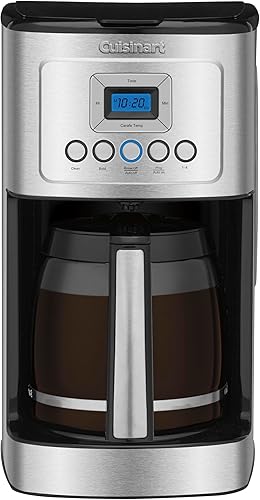
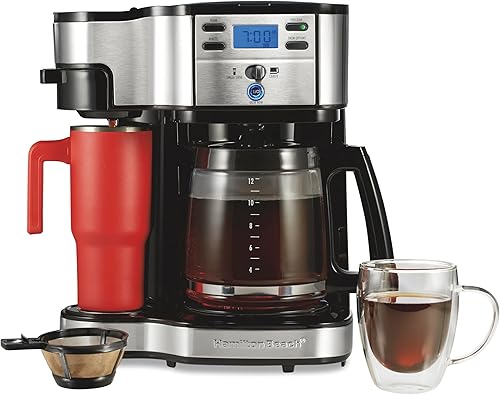
Some machines are built exclusively for one type. The Bunn CSB3T-B, for example, uses paper filters and is designed around that brewing process. Many popular drip machines like the Cuisinart DCC-3200 ship with a reusable gold-tone filter but also accept standard paper filters. The Hamilton Beach 49980R uses a reusable permanent basket filter. Before switching filter types, check your machine's manual or the manufacturer's site, using the wrong basket shape can cause grounds to overflow or coffee to brew too fast or too slow.
Which Filter Is Right for You?
Choose paper if you want the cleanest-tasting cup possible, you prefer a lighter-bodied coffee, or you value fast morning cleanup above all else. Choose a permanent filter if you prefer bold, full-bodied coffee, you want to cut down on waste and ongoing costs, or you simply don't want to keep stocking paper filters. Many coffee drinkers keep both on hand, paper for when they want a cleaner brew, permanent for everyday convenience. There's no rule that says you have to pick just one.
Frequently asked questions
Do paper filters remove caffeine?
No. Paper filters trap coffee oils and sediment but caffeine passes through freely along with the water. Your caffeine content is determined by your coffee-to-water ratio and brew time, not by filter type.
Can I use a paper filter in a machine designed for a permanent basket filter?
It depends on the machine. Some drip brewers accept either type, but the paper filter needs to match the basket shape (cone vs. flat-bottom). If the paper filter doesn't fit snugly, grounds can bypass it. Check your machine's manual for compatible filter sizes.
Why does my coffee taste like paper?
A papery taste usually means the filter wasn't rinsed before brewing. Run hot water through the paper filter while it's seated in the basket before adding grounds, this wets the filter, removes the paper flavor, and pre-heats the brew basket.
How often should I replace a permanent coffee filter?
A well-maintained stainless steel permanent filter can last for years. Replace it when you notice it has bent or torn mesh, persistent staining that won't come clean, or when coffee starts tasting off even after a thorough cleaning.
Does filter type affect cholesterol?
Research has linked unfiltered coffee oils (specifically cafestol and kahweol) to modest increases in LDL cholesterol with heavy consumption. Paper filters remove most of these oils; permanent mesh filters do not. If this is a health concern for you, paper filters are the better choice.