Why Does My Coffee Taste Bitter? Common Causes and Easy Fixes
Bitter coffee is almost always caused by something you can fix at home in minutes.
If your morning cup has a harsh, sharp bite that lingers on the back of your throat, you are not alone. Bitterness is one of the most common coffee complaints, and the good news is it rarely has anything to do with the beans themselves. Most of the time, something in your brewing process is pulling too much from the grounds, and a few small adjustments will bring your coffee back to smooth and balanced. This guide walks through the main culprits and exactly what to do about each one.
Over-Extraction: The Most Common Reason
Coffee tastes bitter when water draws too many compounds out of the grounds, a process called over-extraction. The desirable sugars and fruity acids come out first, but if the brew runs too long or the water is too hot, the bitter compounds follow right behind. Over-extraction can happen with any brew method, from a standard drip machine to a French press. The fix is usually quicker than you think: shorten your brew time, use slightly cooler water, or grind a little coarser.
Your Grind Is Too Fine
A fine grind exposes more surface area to the water, which speeds up extraction significantly. If you are grinding on the finer side for a drip machine or standard brew basket, you are likely pulling bitter compounds before the brew cycle ends. Try backing off your grinder one or two notches toward a coarser setting and see if the cup smooths out. For most drip coffee makers, a medium grind, roughly the texture of coarse sand, is the sweet spot.
Water Temperature Is Too High
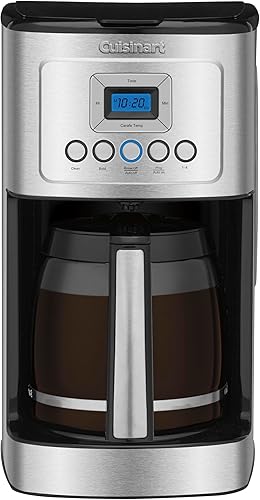
Water that is too hot accelerates extraction and favors the bitter end of the flavor spectrum. The generally accepted sweet spot for brewing coffee is between 195 and 205 degrees Fahrenheit. Boiling water at 212 degrees pushes past that range. If your coffee maker does not let you adjust temperature, allowing your water to sit off the boil for 30 to 45 seconds before it hits the grounds can make a noticeable difference. Some machines, like the Cuisinart DCC-3200, are designed to brew right in that optimal temperature window.
Your Coffee Maker Needs Cleaning
Old coffee oils and mineral buildup inside your machine are a sneaky source of bitterness. Oils left in the brew basket, carafe, or internal tubing turn rancid over time and contribute a stale, harsh flavor to every cup. Descaling mineral deposits from the heating element is equally important, especially in areas with hard water. Running a cleaning cycle or a vinegar-and-water pass through your machine once a month goes a long way toward keeping your coffee tasting the way it should.
The Coffee-to-Water Ratio Is Off
Using too little coffee for the amount of water you are brewing is another fast track to bitterness. When there are fewer grounds, the water has to work harder and longer to extract flavor, and it pulls the bitter compounds out along the way. A common starting point is two tablespoons of ground coffee per six ounces of water. If you have been using less than that, adding more grounds often fixes the problem without changing anything else about your setup.
Your Beans May Be Too Dark or Too Old
Dark roasts are naturally more bitter than light or medium roasts because the roasting process itself produces bitter compounds. If you recently switched to a darker roast and your coffee turned harsh, the beans may simply not suit your taste. On the flip side, stale beans, whether under-roasted or over-roasted, can also produce flat, bitter results. Coffee is generally at its best within two to four weeks of the roast date. Buying fresh beans from a local roaster or a retailer with good turnover makes a bigger difference than most people expect.
A Quick Checklist Before Your Next Brew
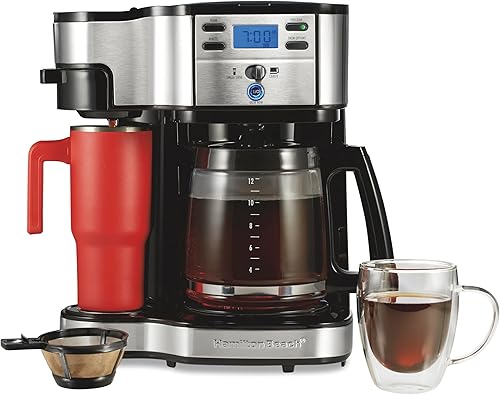
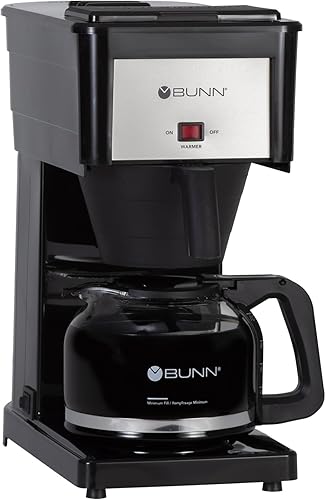
If you are not sure where your bitterness is coming from, work through these one at a time: clean your machine, adjust your grind coarser, check that your coffee-to-water ratio is at least two tablespoons per six ounces, and confirm your beans are fresh. Change one variable at a time so you know what actually made the difference. Most people find the problem in the first two steps. A reliable drip coffee maker like the Hamilton Beach 49980R or the Bunn 38300.0063 can also help, since inconsistent machines that run too hot or cycle unevenly are harder to dial in.
Frequently asked questions
Why does my coffee taste bitter right after I bought a new bag?
New beans are not always the issue, check your grind size and water temperature first. If you recently switched to a darker roast, that roast profile is the likely cause. Try a medium roast and see if the bitterness drops.
Does cheap coffee taste more bitter?
Lower-quality or older coffee can taste more bitter, but the brewing variables, grind, temperature, ratio, and cleanliness, have a bigger impact on bitterness than price alone. You can get a bitter cup from expensive beans if the process is off.
How do I know if my coffee is over-extracted or under-extracted?
Over-extracted coffee tastes harsh, dry, and bitter with a long unpleasant finish. Under-extracted coffee tastes sour, watery, and thin. If your cup is bitter rather than sour, over-extraction is almost always the cause.
Can hard water make coffee taste bitter?
Yes. Very hard water carries minerals that can affect extraction and leave scale buildup in your machine. Using filtered water and descaling your brewer regularly helps significantly in hard-water areas.
Will adding salt to coffee fix the bitterness?
A small pinch of salt can mask some bitterness by blocking the taste receptors that detect it. It is a useful short-term trick but does not fix the underlying cause. Addressing grind, temperature, or cleanliness will produce a better-tasting cup overall.