Drip vs Pour Over Coffee: An Honest Comparison for Home Brewers
Drip coffee makers automate the entire brew cycle, you add ground coffee, water, and press a button, making them the practical choice for households that need multiple cups fast. Pour over puts you in control of water temperature, flow rate, and contact time, which can produce a cleaner, more nuanced cup, but it requires your attention from start to finish. Neither method is objectively better; the right choice depends on how much time and involvement you want in your morning routine.

How Each Method Actually Works
A drip coffee maker pumps water from a reservoir, heats it, and releases it through a showerhead over ground coffee in a paper or reusable filter. The brewed coffee drips into a carafe, glass or thermal, below. Pour over skips the machine entirely: you pour hot water from a gooseneck kettle by hand in slow, controlled circles over grounds in a filter cone or dripper. The gooseneck spout gives you precision that a standard kettle spout cannot match. With drip, the machine handles timing and temperature; with pour over, you handle both.
Flavor Differences Worth Knowing
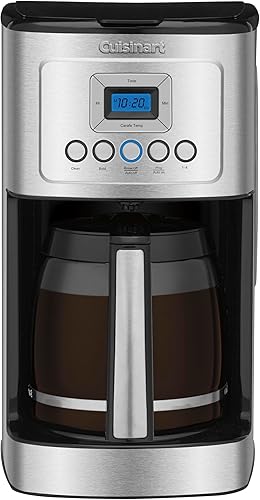
Pour over tends to produce a brighter, cleaner cup because the slow manual pour gives water more even contact with the grounds and paper filters trap oils and fine particles that can muddy flavor. Drip coffee can taste just as good when the machine heats water to the right range and distributes it evenly, a shortcoming of cheap drip makers that under-heat or dump water in one spot. A well-built drip machine like the Cuisinart DCC-3200 (rated 4.5 stars across more than 43,000 reviews, $89.95) consistently hits the temperature range that serious home brewers expect. If clarity and brightness matter most to you, pour over has a structural edge. If consistency and convenience matter more, drip is plenty capable.
Capacity: Cups, Carafes, and Single Serve
Drip machines win on capacity without question. A standard drip maker brews 10 to 12 cups per cycle and keeps it warm in a glass or thermal carafe. Single-serve pod brewers, K-Cup machines, brew one cup at a time and skip the carafe entirely, which suits solo drinkers. Pour over is typically a single-cup or small-batch method; most pour over drippers are sized for one to four cups. If you're making coffee for a family or a household that wants a full carafe ready at once, drip is the practical answer. Pour over is better suited to one or two people who brew cup by cup.
Equipment Cost and What You Actually Need
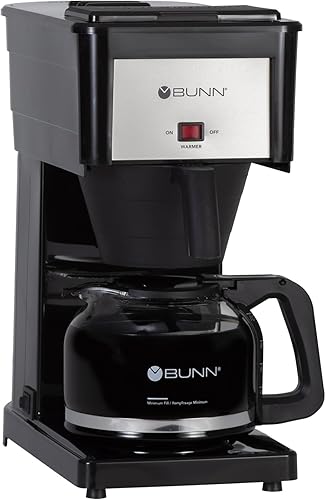
Pour over looks cheap at first: a dripper like the Kalita 35159 (heat-resistant glass, 4.5 stars, $42.98) costs less than most drip machines. But a reliable gooseneck kettle, ideally one with temperature control, adds another $30 to $80. A quality burr grinder is another piece most pour over drinkers end up buying. The total investment can easily top $150 to $200 before you hit your first cup. A solid drip machine like the Bunn 38300.0063 (4.6 stars, 17,200 reviews, $124.95, 900 watts, reusable filter included) comes with everything you need built in. Either path has a real cost; pour over's upfront price is deceptive.
Time and Daily Effort
A programmable drip maker can have coffee ready before you get out of bed. You load the grounds and water the night before, set a timer, and walk into a full carafe in the morning. Pour over takes five to seven minutes of active attention: boil water, let it cool to the right temperature, bloom the grounds with a short first pour, then complete two or three slow controlled pours while watching the drawdown. That process is meditative for some people and a chore for others. If your mornings are rushed or you're feeding more than one coffee drinker, the time difference adds up fast. If you enjoy the ritual, pour over's pace can become part of why you look forward to your first cup.
Cleanup and Maintenance
Drip machines need regular descaling, mineral buildup from tap water clogs heating elements over time and affects flavor. Most manufacturers recommend descaling every one to three months depending on water hardness. The carafe and filter basket rinse easily after each brew. Pour over cleanup is simpler in one sense: discard the paper filter with the grounds and rinse the dripper. If you use a reusable metal filter, you'll need to scrub it clean after each brew to prevent oil buildup. Neither method is high-maintenance, but drip machines have more internal parts that need periodic attention to stay working well.
Common mistakes to avoid
- Using pre-ground coffee that is too coarse or too fine for the method, pour over needs a medium-fine grind, drip works best with a medium grind.
- Skipping the bloom on pour over: not pre-wetting grounds for 30 seconds lets CO2 escape and keeps water from extracting evenly.
- Buying a drip machine without checking whether it reaches proper brew temperature, many budget models top out well below the 195-205 F range needed for full extraction.
- Pouring too fast with a standard kettle spout for pour over, which saturates the grounds unevenly and produces thin, under-extracted coffee.
- Neglecting to descale a drip machine, which slows the brew cycle and leaves a mineral taste in the finished coffee.
- Judging pour over by one bad first attempt, technique matters more than equipment here, and most people need several brews to find their flow.
Frequently asked questions
Is pour over coffee stronger than drip?
Not necessarily stronger, but often more distinct in flavor. Pour over tends to highlight brightness and clarity. Strength depends on your coffee-to-water ratio, which you control the same way in both methods.
Do I need a gooseneck kettle for pour over?
Technically no, but practically yes. A standard kettle pours in a wide, hard-to-control stream that saturates grounds unevenly. A gooseneck kettle gives you the controlled, slow pour that makes pour over work as intended.
Can a drip machine make coffee as good as pour over?
A well-built drip machine that heats water properly and distributes it evenly across the grounds can produce excellent coffee that most drinkers prefer to mediocre pour over. The method matters less than using fresh-ground beans and quality equipment.
How often should I descale my drip coffee maker?
Every one to three months is a reasonable target for most households. If you have hard water, descale more often. Signs you are overdue include a slower brew cycle, weaker output, or a slightly off taste.
Which is better for one person living alone, drip or pour over?
Pour over is often a better fit for solo drinkers because you brew exactly what you drink and never deal with half a cold carafe. A small drip machine or single-serve brewer works too if you prefer the convenience and drink more than one or two cups.