How to Descale a Coffee Maker: A Plain-English Guide
To descale a drip coffee maker, fill the reservoir with equal parts white vinegar and water, run a half-brew cycle, let it sit 30 minutes, then complete the brew and follow with two full cycles of plain water to rinse. For single-serve brewers that use K-Cup pods, empty the water tank, disable the auto-off, pour in your descaling solution, and run brew cycles without a pod until the reservoir is empty, then rinse the same way. The whole process takes 45 to 60 minutes and restores flow rate, water temperature, and flavor clarity.
Why Descaling Matters for Your Coffee Maker
Hard water leaves calcium and magnesium deposits inside the boiler, heating element, and tubes of any drip or single-serve machine. As scale builds up, the heater has to work harder to push water to the right temperature, which means your carafe fills more slowly and the brew is often lukewarm. On machines with a thermal carafe, the temperature drop is especially noticeable because the water never gets hot enough to transfer heat properly. A blocked machine also forces the pump to run longer, which shortens its lifespan. Descaling dissolves those mineral deposits before they cause real damage. Most coffee maker manuals recommend every one to three months, and the actual time investment is minimal.
What You Need Before You Start
You need a descaling agent and water. White distilled vinegar diluted 50/50 with water is the most common household option, and it works well on most drip machines. Citric acid powder (one tablespoon per liter of water) is gentler on gaskets and leaves no vinegar smell, making it a better fit for single-serve brewers with plastic internal parts. Commercial descaling solutions sold by brands like Keurig are also effective and are the safest choice if your machine is still under warranty. Beyond the solution, you only need a large mug or pitcher to catch the liquid during rinse cycles, and access to a sink. Remove any paper filter or reusable basket filter and set it aside.
Descaling a Drip Coffee Maker
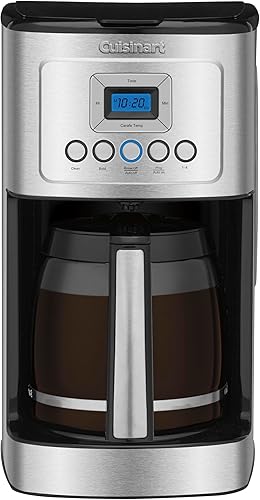
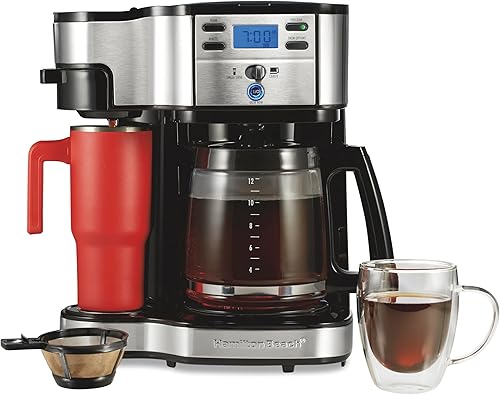
Pour a 50/50 mix of white vinegar and water into the reservoir up to the max fill line. Place the carafe under the drip head, whether you have a glass carafe or a thermal carafe. Start a brew cycle and let it run about halfway, then pause the machine and let the solution sit in the boiler and tubes for 30 minutes. This soak is what actually dissolves the calcium deposits. After 30 minutes, resume the cycle and let it finish completely. Discard the liquid in the carafe. Repeat this process at least twice with fresh plain water to rinse out any vinegar taste or residue before you brew actual coffee. On a 12-cup drip machine drawing around 1,100 watts, you will hear the pump labor less and see faster fill times once the scale is gone.
Descaling a Single-Serve K-Cup Brewer
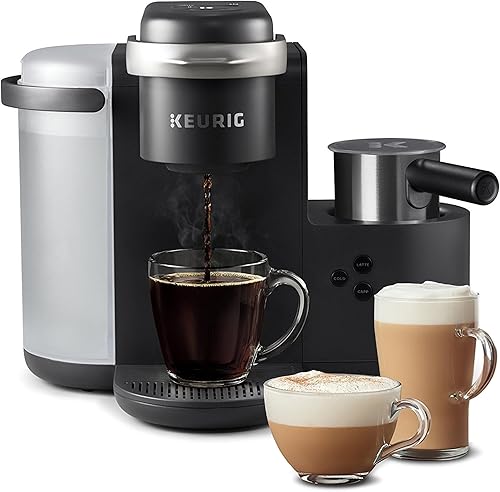
Single-serve brewers that accept K-Cup pods are particularly prone to scale buildup because the water sits in the reservoir constantly and cycles through narrow internal tubes. Begin by emptying and rinsing the water tank. Disable the auto-off setting if the machine has one, since descaling requires multiple brew cycles in a row. Pour the descaling solution into the reservoir up to the fill line, place a large mug on the drip tray, and run the largest brew size available without inserting a pod. Repeat until the reservoir is empty or the machine signals it needs water. Then refill with plain water and run at least two full reservoir-worth of rinse cycles. A brewer drawing 1,500 watts like the Keurig K-Cafe should produce noticeably stronger water pressure after descaling.
How Often to Descale Based on Your Water
Water hardness varies significantly by region, and that is the biggest factor in how often you need to descale. If you use municipal tap water in a hard-water area, descale every month. With filtered or softened water, every two to three months is usually fine. If your coffee takes noticeably longer to brew than it did when the machine was new, that is a reliable sign scale has accumulated regardless of your schedule. Some machines like the Cuisinart DCC-3400NAS have a built-in clean indicator light that triggers when the machine detects flow restriction, which takes the guesswork out of timing. Using filtered water from the start slows scale buildup considerably and protects machines that lack a descale reminder.
Cleaning the Carafe and Filter Basket at the Same Time
While the vinegar solution is soaking inside the machine, use the downtime to clean the carafe and basket. A glass carafe can go in the dishwasher if your model supports it, or you can scrub it with a little dish soap and warm water. Thermal carafes should be hand-washed with warm soapy water and rinsed thoroughly, since coffee oils coat the interior and affect taste. A reusable basket filter benefits from a brief soak in a diluted vinegar solution to clear residue from the mesh. Keeping these parts clean alongside a regular descale schedule means every cup starts clean, without the stale or bitter notes that come from accumulated oils and minerals.
Common mistakes to avoid
- Skipping the soak step and just running the vinegar solution straight through without pausing; the 30-minute rest is what actually breaks down mineral deposits.
- Not rinsing enough afterward; one water cycle rarely removes all the vinegar taste, so run at least two full plain-water cycles before brewing coffee.
- Using apple cider vinegar or cleaning vinegar instead of plain white distilled vinegar; the higher acidity can damage rubber gaskets.
- Leaving the paper or reusable filter in place during descaling, which wastes the solution and clogs the filter with loosened scale.
- Descaling too infrequently until there is visible white buildup; at that point a single cycle may not fully clear the deposits and you will need to repeat the process two or three times.
- Running the descale cycle without disabling the auto-off timer on single-serve brewers, causing the machine to shut down mid-cycle and leaving solution sitting in the lines.
Frequently asked questions
Can I use apple cider vinegar to descale my coffee maker?
Stick with plain white distilled vinegar. Apple cider vinegar has a higher organic acid content and leaves a stronger smell and taste that is very difficult to fully rinse out. It can also be harder on internal rubber seals over time.
How do I know if my coffee maker needs descaling?
The most common signs are slower brew times, a carafe that fills less than the selected capacity, lukewarm coffee, or a gurgling noise from the pump. Some machines have a dedicated descale or clean indicator light that lights up when flow restriction is detected.
Does descaling void the warranty on my coffee maker?
Using the brand's recommended descaling solution generally does not void the warranty. Using third-party solutions or vinegar might, depending on the manufacturer. Check your manual before descaling a machine still under warranty, especially for Keurig single-serve brewers.
Can I descale a pour-over coffee maker or French press?
Pour-over brewers and French press pots do not have internal boilers or tubes, so there is nothing to descale mechanically. If you notice mineral deposits on the glass or mesh, a short soak in a diluted white vinegar solution followed by a thorough rinse is all you need.
How many rinse cycles does it take to remove the vinegar taste?
Two full plain-water brew cycles handle it for most drip machines. If you can still smell vinegar after two cycles, run a third. Single-serve brewers may need more rinse cycles because the internal tubes are narrower and hold the solution longer.