How Many Watts Does a Coffee Maker Use?
Most home coffee makers use between 600 and 1,500 watts during the brew cycle. Standard drip machines tend to land in the 900-1,200-watt range, while high-speed commercial-style drip brewers and K-Cup single-serve machines can reach 1,500 watts or higher. The number matters mostly if you’re watching your electric bill, running the machine on a generator, or using a smaller kitchen circuit.
Wattage by Coffee Maker Type
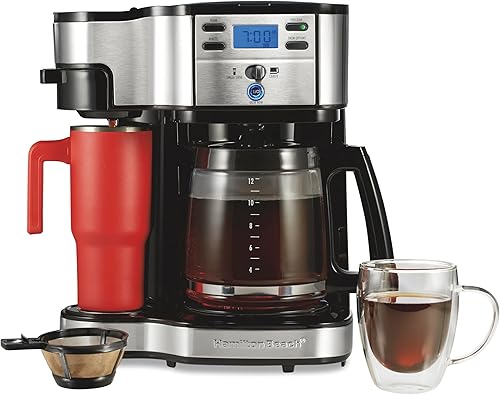
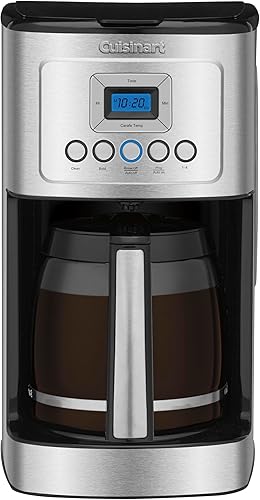
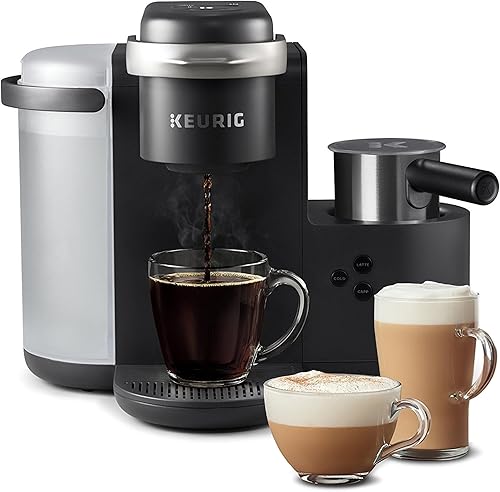
Drip coffee makers are the most common, and most pull 900-1,200 watts during the brew cycle. The Hamilton Beach 49980R, a popular 4.5-star drip machine with over 53,000 reviews, is rated at 950 watts, right in the middle of the pack. The Cuisinart DCC-3200, another well-rated drip machine, draws 1,100 watts. Single-serve brewers that heat water on demand, like the Keurig K-Cafe, which uses K-Cup pods, typically run 1,500 watts because they need to heat a small reservoir fast. Pour over and French press brewers draw zero watts on their own; any electricity comes from a separate electric kettle or gooseneck kettle used to heat the water. Percolators sit in a similar range to drip machines, around 1,000-1,500 watts.
Brew Cycle vs. Idle (Keep-Warm) Draw
Peak wattage only tells part of the story. During the brew cycle, a drip coffee maker runs at its rated wattage for roughly five to ten minutes. After brewing finishes, machines with a glass carafe switch to a heating plate that typically draws 40-100 watts continuously to keep coffee warm. If you leave the machine on for two hours after brewing, the idle draw can add up to more total energy than the brew itself. Machines with a thermal carafe skip the hot plate entirely, dropping idle wattage to near zero and keeping coffee hot inside the insulated vessel instead. For daily use, a thermal carafe is the more efficient choice.
What Wattage Means for Your Electric Bill
A 1,000-watt drip coffee maker running for eight minutes per day uses about 0.13 kWh daily, or roughly 4 kWh per month. At the U.S. average residential electricity rate, that comes to well under a dollar a month just for the brew cycle. The bigger variable is the keep-warm plate: a 75-watt plate left on for two hours daily adds another 4.5 kWh per month. Over a year, a machine with a glass carafe and an always-on hot plate can use three to four times more electricity than one with a thermal carafe. The brew wattage itself is not the number to obsess over, it’s the idle draw that separates efficient machines from energy hogs.
Circuit and Outlet Considerations
Standard U.S. kitchen outlets run on 15-amp or 20-amp, 120-volt circuits. A 1,500-watt coffee maker draws about 12.5 amps, which leaves little headroom on a 15-amp circuit if a toaster or microwave shares it. Most home drip machines at 900-1,100 watts are fine on any standard kitchen outlet. Problems arise when multiple high-draw appliances run simultaneously on the same circuit, which can trip a breaker. If you are plugging into a countertop that is already loaded, choose a model at or below 1,000 watts. For camping, off-grid setups, or generator use, check the generator’s continuous wattage rating and leave at least a 20 percent margin above your coffee maker’s draw.
Higher Wattage Does Not Mean Better Coffee
A common misconception is that more watts produce stronger or better coffee. Wattage determines how quickly a machine heats water, not how well it extracts flavor. What actually matters for brew quality is water temperature (the SCA recommends 195-205°F), even saturation of the grounds, and brew time. A 900-watt drip machine can brew excellent coffee; it just takes a minute or two longer than a 1,500-watt machine to finish the cycle. If you are choosing between two otherwise similar machines, pick based on capacity, carafe type, and whether you want programmable or manual controls, not on which one has a higher wattage number.
Recommended Models Across Wattage Ranges
The Hamilton Beach 49980R at 950 watts is a straightforward, reliable drip coffee maker that handles daily brewing without straining older kitchen circuits. The Cuisinart DCC-3200 draws 1,100 watts and is a fully automatic drip machine with stainless steel construction and a strong track record across tens of thousands of ratings. For single-serve convenience with K-Cup pod compatibility, the Keurig K-Cafe runs at 1,500 watts, reflecting the on-demand heating design that most single-serve brewers use. All three sit within normal home circuit limits and cover the main wattage tiers you will encounter when shopping.
Common mistakes to avoid
- Leaving the hot plate on for hours after brewing, this idle draw often consumes more energy over a month than the brew cycle itself.
- Assuming higher wattage means stronger or better-tasting coffee, wattage affects brew speed, not extraction quality.
- Running a 1,500-watt brewer on an already-loaded 15-amp circuit shared with a toaster or microwave, which risks tripping the breaker.
- Ignoring the thermal vs. glass carafe distinction when comparing models, thermal carafes eliminate idle power draw entirely.
- Overlooking descale reminders, mineral buildup forces heating elements to work harder, increasing effective wattage demand over time.
- Buying a higher-wattage machine for a camping generator without checking the generator’s continuous output rating first.
Frequently asked questions
How many watts does a typical drip coffee maker use?
Most standard drip coffee makers draw between 800 and 1,200 watts during the brew cycle. Machines in the 900-1,100-watt range are the most common for home 10- to 12-cup models.
Does a coffee maker use electricity when it is just keeping coffee warm?
Yes. Glass carafe machines with a hot plate typically draw 40-100 watts continuously while in keep-warm mode. Machines with a thermal carafe do not use a hot plate, so idle draw drops to near zero.
Can I run a coffee maker on a 15-amp kitchen circuit?
Most drip coffee makers at 1,200 watts or under are fine on a 15-amp, 120-volt circuit as long as no other large appliances are running on the same circuit at the same time. Single-serve brewers near 1,500 watts leave very little margin.
Do single-serve K-Cup coffee makers use more watts than drip machines?
Generally yes. Single-serve brewers heat a small amount of water on demand very quickly, which requires a higher wattage burst, typically 1,200-1,500 watts. The trade-off is that the cycle is short, so total energy per cup can be comparable to or less than a drip machine brewing a full carafe.
Does wattage affect how strong my coffee tastes?
No. Brew strength depends on the coffee-to-water ratio, grind size, water temperature, and contact time, not wattage. A 900-watt machine can brew just as strong a cup as a 1,500-watt machine; the lower-wattage model just takes a bit longer to complete the cycle.