Thermal vs Glass Carafe: Which Coffee Maker Is Right for You?
A thermal carafe uses double-wall stainless steel insulation to hold heat for two or more hours with no heating element underneath, which means the coffee never scorches. A glass carafe relies on a hot plate to maintain temperature, and that continuous heat breaks down flavor compounds in the coffee over time. For most home drip setups, the choice comes down to how fast your household drinks the pot.
How Each Carafe Keeps Coffee Hot
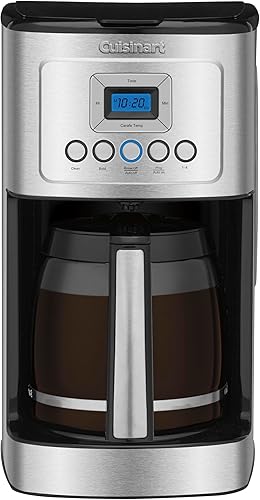
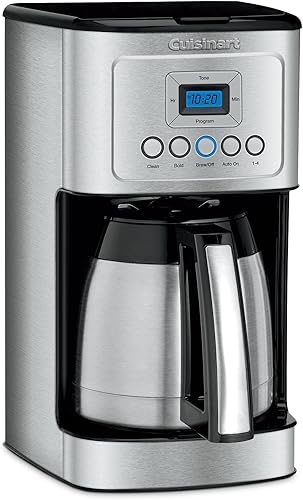
A glass carafe is a straightforward vessel, usually borosilicate glass, that sits on a metal warming plate built into the coffee maker base. The plate stays on after brewing ends and radiates heat up through the glass bottom. A thermal carafe works more like a thermos: two walls of stainless steel trap an air gap or vacuum that slows heat transfer outward. Brewing heat goes into the liquid and stays there for one to two hours or longer depending on the design. The key difference is that a thermal carafe relies on stored heat while a glass carafe relies on continuous added heat, and those two approaches produce different results in the cup.
Taste and Coffee Quality
Keeping ground coffee hot on a burner past about 20 minutes triggers further extraction and oxidation that produce a bitter, stale taste. This is one reason many coffee drinkers notice that a half-pot left on a warming plate for an hour tastes noticeably flat compared to a fresh pour. A thermal carafe removes the warming plate from the equation entirely, so whatever flavor the drip brew captured at the moment it finished stays closer to intact for much longer. For pour over enthusiasts who care about subtle notes in single-origin beans, the thermal carafe is often the clear choice because it protects the flavor profile after the gooseneck kettle work is done.
Capacity and Household Size
Most drip coffee makers pair with either a glass or thermal carafe in the 10 to 12 cup range, which is roughly 50 to 60 ounces. The Cuisinart DCC-3200 is a widely reviewed 14-cup drip machine with a glass carafe and 1,100 watts of brewing power, and it reflects a typical full-capacity glass option. The Cuisinart DCC-3400NAS is a 12-cup model in the same price range that pairs with a stainless thermal carafe and the same 1,100-watt heating element for brewing. Single-serve brewers that use K-Cup pods sidestep the carafe question entirely since they brew cup by cup, but for households that brew a full pot and share it across multiple people over 30 to 60 minutes, carafe type matters a lot.
Price Difference and Long-Term Value
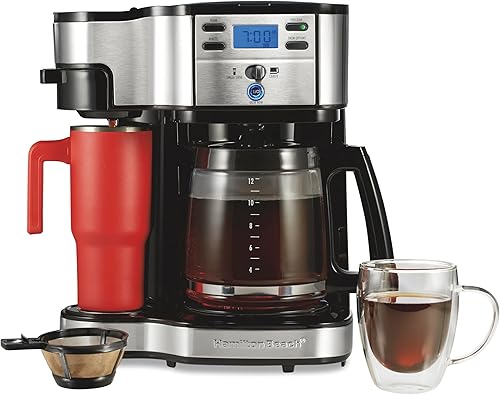
Glass carafes are less expensive to manufacture than double-wall thermal carafes, and that cost difference usually passes through to the retail price of the coffee maker. A comparable drip machine with a thermal carafe often runs $30 to $60 more than its glass carafe sibling from the same brand. The Hamilton Beach 49980R is a high-volume drip machine priced around $89 that represents the glass carafe category well with 53,000-plus reviews and a 4.5-star rating, showing strong real-world satisfaction at an accessible price. Thermal carafe machines cost more upfront, but if you regularly throw out scorched coffee or rewarm a pot in the microwave, the thermal version reduces waste and improves the daily experience, which adds up in value over time.
Cleaning and Durability
Glass carafes are easy to inspect for staining and coffee residue because you can see inside. Most are dishwasher safe, though the base and handle area can crack if the carafe is placed on a cold surface while hot. Thermal carafes require more deliberate rinsing since you cannot see the interior surface clearly, and some develop odor or residue buildup inside the stainless walls if not rinsed after each use. A bottle brush is helpful for cleaning a thermal carafe thoroughly. On durability, stainless thermal carafes generally outlast glass carafes because they handle drops and temperature changes better. If you descale your coffee maker regularly as the manufacturer recommends, both carafe types stay performing well regardless of your local water hardness.
When to Choose Each Option
Choose a glass carafe if your household finishes a full pot within 20 to 30 minutes, if budget is a primary concern, or if you prefer to see exactly how much coffee remains without lifting the carafe. Choose a thermal carafe if you brew a pot and come back to it over the course of a morning, if you care about flavor quality in every cup including the last one, or if you want to brew ahead for a gathering without worrying about the coffee going flat on a burner. Both carafe styles work well with ground coffee in a standard drip coffee maker. If you regularly brew pour over or French press, the thermal carafe principle also applies to how quickly you transfer those brews to a preheated vessel.
Common mistakes to avoid
- Leaving coffee on a glass carafe warming plate for more than 30 minutes and expecting it to taste as fresh as the first cup.
- Not preheating a thermal carafe with hot water before brewing, which causes the carafe walls to absorb heat from the coffee and shorten the hold time.
- Buying a thermal carafe machine assuming it will keep coffee hot indefinitely; two hours is a realistic upper limit for most home models.
- Skipping the descale step on drip machines regardless of carafe type, which slows brew speed and reduces water temperature accuracy.
- Assuming a glass carafe is always easier to clean; thermal carafes just need a bottle brush and a regular rinse rather than any special treatment.
- Choosing a 12-cup machine when you only ever brew 4 cups at a time, which leads to a partial pot sitting too long and tasting stale no matter which carafe type you own.
Frequently asked questions
Does a thermal carafe actually keep coffee hot long enough to matter?
Yes, for most home use. A well-made thermal carafe holds coffee at a drinkable temperature for 90 minutes to two hours after brewing ends. That is well beyond the 20 to 30 minutes a glass carafe on a warming plate maintains decent flavor before it starts to taste scorched.
Can I use a thermal carafe with any drip coffee maker?
Not interchangeably. Thermal and glass carafes are designed for specific coffee maker bases and drip openings, so they are not universal. If you want a thermal carafe, you need to buy a machine that ships with one or is confirmed compatible with an aftermarket thermal carafe from the same manufacturer.
Why does my glass carafe coffee taste bitter after sitting?
The warming plate continues applying heat after brewing is done. That sustained heat drives off volatile aromatic compounds and accelerates extraction of bitter compounds from residual coffee oils in the carafe. Brewing a fresh half-pot or moving to a thermal carafe are the two practical fixes.
Is a thermal carafe harder to clean than a glass one?
It takes a slightly different approach. Since you cannot see inside a thermal carafe, you need to rinse it after every use and run a bottle brush through it weekly to prevent staining and odor. Glass carafes stain visibly so you know when they need scrubbing, but both require similar overall effort.
Does wattage matter when comparing thermal vs glass carafe machines?
Wattage affects brew speed and water temperature during the brew cycle, not how long the carafe holds heat afterward. A higher-wattage machine like one drawing 1,100 watts may brew faster and hit the optimal 195 to 205 degree range more reliably. After brewing is done, wattage is irrelevant for a thermal carafe since there is no warming plate drawing power.