How to Choose a Coffee Maker That Actually Fits Your Life
The best coffee maker for you depends on three things: how much coffee you drink, how much hands-on time you want to spend, and what kind of cup you are after. A household that drinks 8-10 cups before 8 a.m. has completely different needs than someone who wants one precise pour over in peace. Matching the machine to your actual routine beats chasing specs.
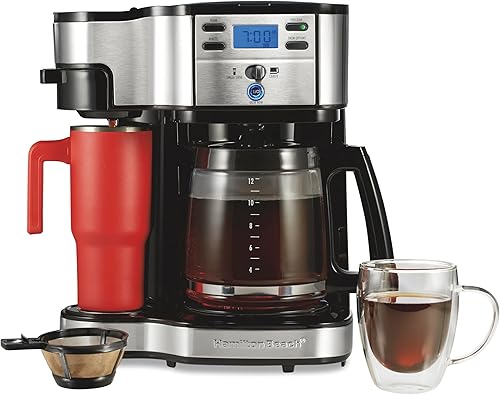
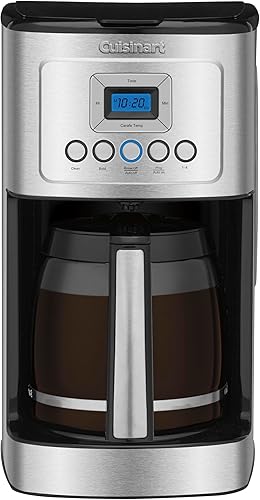
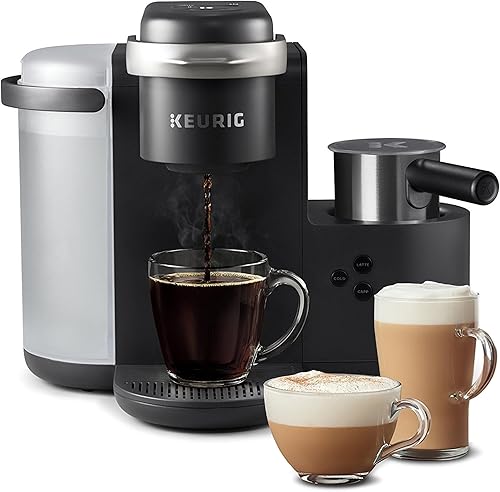
Drip vs. Pour Over vs. Single Serve: Pick Your Brewing Style First
Drip coffee makers are the workhorses of American kitchens, load ground coffee, press a button, walk away. If you brew for two or more people every day, a drip machine with a thermal or glass carafe is almost always the right call. Pour over brewing gives you more control over water temperature and flow rate, which matters to people who want to taste the difference between coffees, but it requires attention and a gooseneck kettle. Single-serve brewers like K-Cup machines solve the "everyone wants something different" problem fast, though the cost per cup is higher and you lose the ability to brew a full carafe for guests. French press sits in its own category: no filters, a heavier body in the cup, and zero electricity, just hot water and patience.
Capacity: Cups and Carafes
Coffee maker capacity is measured in cups, but a "cup" on most machines is 5 oz, not the 8 oz mug you actually drink from. A 12-cup drip machine delivers roughly 6 real mugs. If you drink two mugs a day solo, a compact 4-5 cup machine is enough and takes less counter space. If your household goes through a full pot before anyone leaves for work, prioritize machines rated for 10-12 cups with a thermal carafe that keeps coffee hot without a warming plate burning it bitter. Single-serve brewers skip the carafe entirely, brewing one cup at a time directly into your mug.
Thermal Carafe vs. Glass Carafe
Glass carafes are less expensive and let you see how much coffee is left at a glance, but they rely on a warming plate that continues cooking the coffee after brewing, which turns it flat and bitter within 30-45 minutes. A thermal carafe uses double-wall insulation to hold temperature for 2-4 hours without any heat source, which is worth the extra cost if you brew and then come back to the pot later. If you always drink your coffee immediately and cost is a priority, glass is fine. If the pot often sits on the counter for an hour before the last person gets their cup, go thermal.
Programmable vs. Manual Operation
Programmable drip machines let you set a brew time the night before so coffee is ready when you wake up. That single feature is the main reason most people buy a fully automatic machine. Manual operation means you press start each time, which is fine for pour over and French press styles where you are already engaged in the process. If your mornings are rushed, programmability is worth paying for. If you like a deliberate morning ritual, manual control is a feature, not a limitation. Some machines also offer strength control that lets you choose between a lighter or bolder brew without changing how much ground coffee you use.
Wattage and Brew Speed
Wattage determines how quickly a coffee maker heats water, which affects both brew time and the temperature at which water hits the grounds. Most home drip machines fall between 900W and 1200W. Higher wattage generally means faster brewing and better extraction because water stays closer to the ideal 195-205 F range. A 900W machine on a 10-cup brew will take longer than a 1100W machine at the same volume. If speed matters to you in the morning, compare wattage alongside capacity. For pour over, your separate gooseneck kettle controls temperature independently, so the wattage of the brewer itself is not the limiting factor.
Ease of Cleaning and Descaling
Mineral buildup from tap water collects inside every coffee maker over time, slowing brew speed and affecting taste. Look for machines with removable, dishwasher-safe parts, the filter basket and carafe especially. Most manufacturers recommend descaling every 1-3 months depending on your water hardness; some machines have a descale indicator light that tells you when it is time. Machines with narrow internal tubes and complex valve systems are harder to flush clean than simple drip baskets. If low maintenance matters, stick to machines with straightforward water paths and clearly accessible components.
Common mistakes to avoid
- Buying a 12-cup machine for a one-person household and letting coffee burn on the warming plate for two hours each morning.
- Choosing a single-serve K-Cup brewer without accounting for the ongoing pod cost, which runs significantly higher per cup than ground coffee.
- Ignoring wattage and then being surprised that a budget machine brews lukewarm coffee that under-extracts.
- Skipping the thermal carafe option to save money, then throwing away half a pot every day because glass-carafe coffee turns bitter after 45 minutes.
- Buying a pour over setup without also budgeting for a gooseneck kettle, which is required to control water flow properly.
- Never descaling and wondering why the machine starts brewing slowly or producing weaker coffee after six months of daily use.
Frequently asked questions
What is the difference between a drip coffee maker and a pour over?
A drip machine automates the process, it heats water and dispenses it over ground coffee in a filter basket on its own. A pour over requires you to manually pour hot water in a slow, controlled stream over the grounds, usually with a gooseneck kettle. Drip is faster and hands-free; pour over gives you more control over extraction and is favored by people who want to dial in flavor.
How many cups does a 12-cup coffee maker actually make?
About six standard mugs. Manufacturers define a "cup" as 5 oz, so a 12-cup machine produces 60 oz total. Most coffee mugs hold 10-12 oz, which means a full pot covers five to six people drinking one mug each.
Is a thermal carafe worth it over a glass carafe?
If you drink all your coffee within 20-30 minutes of brewing, a glass carafe is fine and costs less. If you return to the pot over the course of an hour or two, a thermal carafe preserves flavor far better than a warming plate, which keeps cooking the coffee and makes it taste flat and bitter.
How often should I descale my coffee maker?
Every one to three months for most households, or sooner if your water is hard. Signs that descaling is overdue include slower brew times, weaker coffee, or a machine that runs noisily. Use a dedicated descaler or a diluted white vinegar solution and run it through a full brew cycle, then flush with two cycles of plain water.
Can a single-serve brewer replace a regular drip coffee maker?
For one or two people who want different drinks at different times, yes. Single-serve K-Cup machines are fast and convenient, and some models can also brew a small carafe. The trade-off is cost per cup and the fact that you cannot make a full pot when company comes over. If you regularly host or go through several cups before leaving the house, a standard drip machine is more practical.